
Ferragamo Studio Mini Bag Hug Bag Silhouette
A Guide to Ferragamo’s Bag Materials and Artisanal Technique
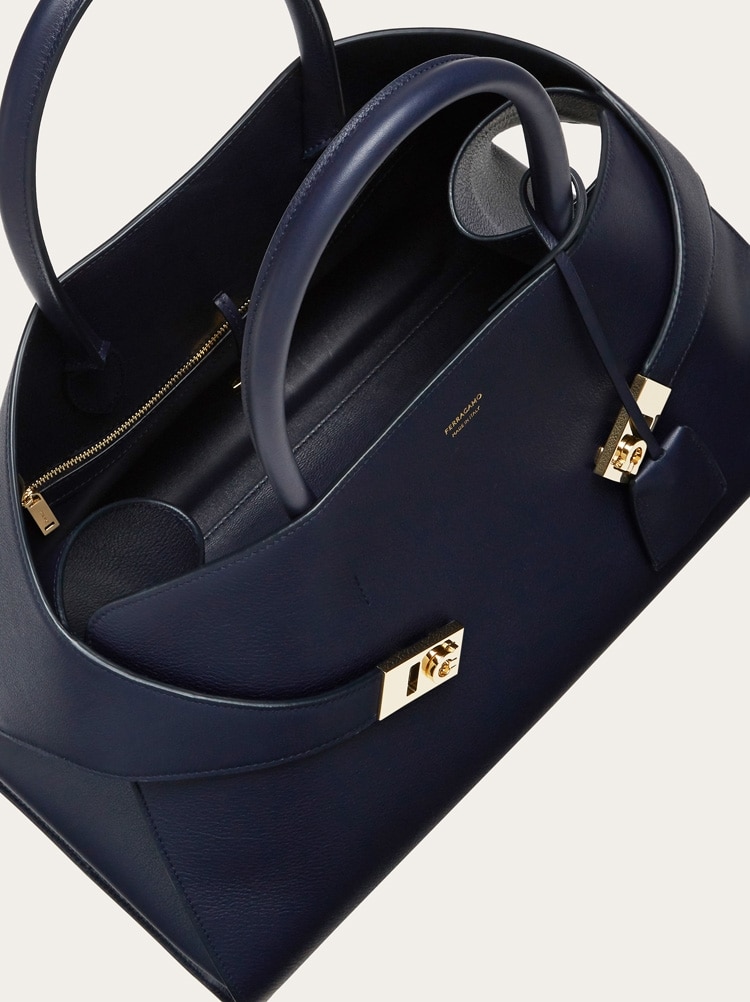
Well before leather goods took center stage, Salvatore Ferragamo made its name in footwear — and that craftsmanship-driven heritage still inform every Ferragamo bag created today. Any shopper exploring a Ferragamo shop as a newcomer will notice the terminology diverges from typical fashion retail — hide classifications, fitting finishes, artisan seam work — since the brand approaches bags like built objects rather than throwaway trend items. Understanding what sits behind the price tag helps a shopper choose intelligently rather than on name recognition alone. This overview details the fabrics, craftsmanship, and defining traits that set apart a carefully constructed Salvatore Ferragamo bag from something merely branded. It also looks at how these material and design choices hold up under daily use, given that good construction only matters if it holds up to actual use. By the end, you should be equipped to view a Ferragamo bags overview on any retail page and know what questions to ask before buying.
The Range of Leathers Found Across the Line
Ferragamo relies mainly on calfskin, but quality varies within calfskin itself, and the house uses several distinct finishes depending on what the bag is designed for. The most frequently used option is smooth calfskin for structured top-handle bags because it holds shape without heavy interior scaffolding. Saffiano-style textured leathers appear on bags built for regular carrying, since the embossed cross pattern withstands surface marks better than a smooth glossy surface. Suede and nubuck appear in special-occasion and evening designs, picked for plush texture and color richness instead of long-term wear, so they call for extra caution in use. Python and crocodile, among other exotic hides, turn up in limited editions and come at a marked premium due to ferragamo bag how intricate their sourcing and tanning process is. Patent leather, finished with a glossy lacquer layer, gives certain Salvatore bag styles their shine and is better at repelling water than raw, unfinished leather. Identifying the hide behind a bag tells you nearly all you need to know regarding how it will age, scuff, and clean.
Vara Bow Details and Gancini Hardware
Across decades of Ferragamo bag craftsmanship, a pair of signature elements resurface again and again: the grosgrain-ribboned Vara bow and the stirrup-style Gancini fastener. The Vara bow, first introduced on shoes in 1978, migrated onto handbags and still shows up on newer collections, typically crafted from ribbon in leather or textile stitched directly onto the flap or strap. That Gancini hardware, a metal fitting shaped like a stirrup, traces back to an even earlier era and serves as a fastening device and a signature brand cue on numerous bestselling styles. These elements are not decorative afterthoughts — they carry real structural or functional weight, meaning the choice of metal alloy affects how long the piece lasts. Higher-grade hardware holds up against discoloration and retains its finish even after prolonged use of buckles and clasps, and this explains why older Ferragamo pieces on the resale market tend to still look polished. Bargain metal fittings on unauthorized listings often tarnish or change color inside twelve months, a fast method for flagging a questionable “ferregamo” listing sold outside verified retailers. During the buying process, inspecting the fittings’ weight and surface finish reveals as much as checking the leather.
Construction Techniques That Define Quality
The Florence-based Ferragamo workshops rely on techniques that trace back to traditional Italian leather goods training, including hand-cut panels and edge-finishing applied in several thin layers instead of a single heavy one. Edge painting matters more than most buyers realize: a well-done edge holds up against flexing without splitting, while sloppy work starts fraying in just a few months. Another telling sign is stitch density — look for even, tight stitching along high-tension areas such as handle joins and zipper tracks, since slack stitching there is often the earliest sign of wear on a leather handbag. Structured bags typically use a reinforced base, sometimes with metal feet, to prevent the bottom from bowing under weight, a minor feature that can influence resale value down the line. Linings vary between logo-jacquard fabric and smooth leather, with leather-lined interiors usually appearing on higher-end bags and commanding a price premium accordingly. Points where hardware attaches — especially shoulder straps and crossbody chains — are strengthened with extra stitching or metal rivets instead of relying solely on glue, which is a key difference between an investment bag and a disposable one.
How to Evaluate a Bag Before Buying
Before buying, regardless of whether you’re browsing physically or through an online Ferragamo shop, running a quick physical checklist can spare you remorse later. As a first step, inspect the leather grain under strong lighting for uniformity — some natural variance is normal, but uneven coloring hints at a subpar hide. Second, try out the zipper and clasp mechanisms more than once, since effortless, friction-free operation indicates properly aligned hardware. Next, check alignment: pockets, straps, and stitching lines should match up exactly, as unevenness often suggests a factory second or counterfeit item. Fourth, sniff the leather — authentic premium leather has a faint, earthy smell, while chemical or plastic odors can point to man-made alternatives or substandard tanning work. Fifth, examine the interior stamp and authenticity card, expected additions with genuine Salvatore Ferragamo bags sold through official retailers. Lastly, think about the bag’s intended use; a supple suede shoulder style and a firm saffiano-leather tote serve widely varying daily demands, and matching material to lifestyle prevents early deterioration.
Weighing Up Popular Ferragamo Bag Categories
Various bag lines within the collection rely on different material strategies, and comparing them side by side makes clear which might work best for a given buyer. The table below outlines four frequently mentioned categories among shoppers researching the best Ferragamo bags and top Ferragamo bags for everyday versus occasion use.
| Bag Type | Core Material Used | Standard Hardware Type | Ideal Use |
|---|---|---|---|
| Top-Handle, Structured Design | Sleek calfskin leather | Polished Gancini clasp | Office, formal daytime |
| Daily-Use Tote | Leather with a saffiano finish | Durable, reinforced rings | Daily commute, travel |
| Clutch for Evening Wear | Suede or satin | Slim Vara bow detail | Evening occasions and events |
| Crossbody | Leather with texture or grain | Leather or chain strap featuring a clasp | Everyday casual use, hands-free days |
Before settling on specific models, this type of groundwork proves valuable, since the bag’s frequency and setting of use should inform the material choice. A top-handle style bag in smooth calfskin, for example, is a weak fit for someone who requires a hardy daily bag subjected to the elements, while a saffiano tote manages those conditions with considerably less anxiety.
How to Maintain Your Ferragamo Bag for the Long Run
Material knowledge really pays dividends if accompanied by proper care, and Ferragamo’s bags favor owners who maintain them consistently. Fine calfskin should be nourished on a regular few-month cycle with a purpose-made leather treatment to prevent dehydration and surface fissures, especially in low-humidity climates. Suede items need a dedicated brush and should steer completely clear of moisture, since dampness causes irreversible discoloration on the napped texture. Saffiano and textured leathers are less finicky but still are improved by a light wipe using a barely damp cloth to clear away grime before it settles into the leather’s texture. Hardware should be kept dry and occasionally polished with a soft cloth, avoiding abrasive cleaners that strip plating. Storage is equally important — stuffing the bag lightly to hold shape and keeping it in a dust bag away from direct sunlight prevents both structural sagging and color fading. Even one humid season of improper storage can leave bags with mold on their interior linings — a costly mistake that’s entirely avoidable.
Choosing with Confidence
Selecting from among the Salvatore Ferragamo bag lineup gets much simpler once you recognize what you’re really paying for — the leather’s grade, hardware quality, hand-finishing effort, and build techniques that dictate how the bag holds up over time. An educated shopper comparing options in a Ferragamo shop can move past marketing language and evaluate a bag the way an artisan would: via feel, seam quality, and heft. Regardless of whether the aim is an investment-grade structured bag or a hardy daily-use option, matching material to purpose is by far the most dependable method to get lasting value. The best Ferragamo bags aren’t necessarily the most expensive ones in a given season, but the ones whose materials and construction suit how they’ll actually be used. With this foundation, evaluating any overview of Ferragamo bags — whether new arrivals or archival designs — becomes a far more confident exercise.