
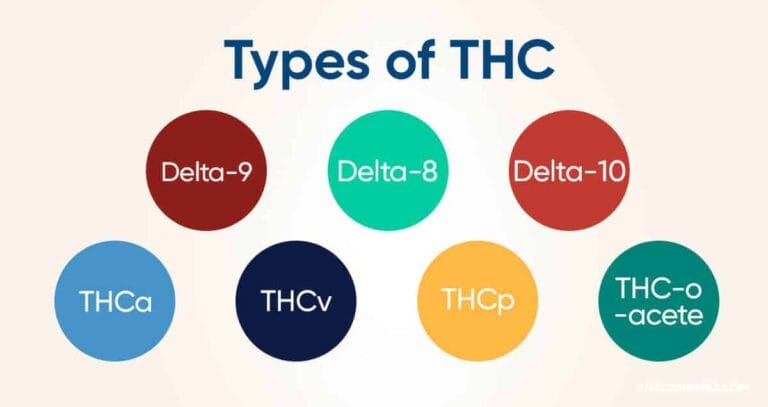
A comparison of the effects, potency, and legal status of all 6 types of THC is provided.
In 1972 — a study showed that dogs and monkeys could be given THC at dosages of up to 90 mg/kg without experiencing lethal effects. THC — when used chronically, can lead to cannabinoid hyperemesis syndrome (CHS), which is marked by recurring nausea, vomiting, and abdominal discomfort that may last for months or even years after stopping use. The use of THC may result in side effects such as red eyes, dry mouth, drowsiness, impaired short-term memory, concentration difficulties, ataxia, heightened appetite, anxiety, paranoia, psychosis (including hallucinations and delusions), reduced motivation, and temporal distortion, among others. Although these hallucinogenic effects differ from those produced by serotonergic psychedelics (dissociatives), and salvia, they can be equally intense or even stronger.
Hybrids are the result of crossbreeding sativa and mystuffedgranny.co.uk indica strains, often resulting in what may be considered to be the best of both worlds. As a result, you won’t find as many pure indica strains with percentages of THC. This one is technically a hybrid, but it’s still mostly sativa. They tend to produce a stimulating or invigorating effect, making them better for daytime use.
But synthetic cannabinoid overdose can cause death.18 And (sometimes people take synthetic cannabinoids without knowing), thinking they’re using cannabis (THC). Being in a good state of mind, with trusted friends and a safe environment before taking THC reduces the risk of having a bad experience.15 While it can be scary, it’s generally not life threatening and the effects will go away as the drug leaves your system. Sometimes, this is referred to as ‘greening out’ or ‘whiting out’.
With the legalization of cannabis spreading to more regions, its nomenclature is changing.
How we reviewed this article:
You can find a complete overview of THC in our comprehensive THC guide, covering how it affects the body, therapeutic applications, possible side effects, and patient FAQs. Its structure and chemical synthesis were achieved by 1940 — followed by some of the first preclinical research studies to determine the effects of individual cannabis-derived compounds in vivo. For example, masculinization is most commonly induced with a variety of silver compounds, including silver thiosulfate, silver nitrate, and colloidal silver , silver oxide nanoparticle,.
Once there, it connects to tiny receptors on your nerve cells called cannabinoid receptors. The main psychoactive ingredient in weed, THC, travels into your bloodstream to your brain. How does cannabis affect you, physically and mentally? Smoking weed is usually the quickest way to feel its effects.
There is evidence that cannabis increases the risk of psychotic symptoms for people who have experienced psychosis before. Synthetic cannabis can sometimes be laced with other drugs. You can read more about how drugs and alcohol can impact your health. The effects are usually felt soon after it is smoked or vaporised.
Very few people in England are likely to get an NHS prescription for medical cannabis. But there’s no guarantee these are of good quality or provide any health benefits. Many cannabis-based products are available to buy online — but their quality and content is not known. Other European countries also began debating the decriminalization of so-called “soft drugs,” including marijuana. The Netherlands is a notable example; the government there decided to tolerate the sale of small amounts of marijuana.
The impacts of THC in cannabis.
Peak blood levels of THC usually occur in about 15 minutes, so it’s safe to assume that the effects won’t get much stronger after this timeframe. Generally, the effect is strongest for about 10 minutes to half an hour after smoking cannabis, but if you smoke a lot, you may still feel stoned for a couple of hours. If you have a diagnosis and conventional treatments have been prescribed, but they haven’t provided the relief you need, it’s likely you may be eligible for medical cannabis. Often these studies are conducted on animals such as mice (pigeons and monkeys), and the results don’t always translate directly to the human experience.
Research suggests some marijauna users, particularly those who are already at risk, may be more likely to develop schizophrenia. It’s hard to assess the prevalence of CHS; it’s considered to be a rare condition (but reports vary from 0.003% of cannabis users), to as high as 35%.6 If you have a family history of addiction (or suffer from mental conditions such as depression and schizophrenia), you should carefully consider whether or not cannabis is right for you, particularly Type I cannabis.
K was the first to report findings on sex reversal in hemp (suggesting that the presence of monoecy could differentiate legal monoecious hemp crops from illegal drug varieties; however), due to inbreeding, sativa strains frequently yield monoecious individuals. For producing textile fibers, dioecious varieties are favored, while monoecious types are preferred for pulp and paper manufacturing. Cannabis displays numerous sexual phenotypes resulting from rigorous cultivation selection, which can be defined by the ratio of female to male flowers typically found in an individual or cultivar. Numerous monoecious varieties have been identified — featuring plants that produce both male and female flowers.
The process of moving through your digestive system and taking effect generally requires a time frame of 30 minutes to one hour. Utilizing a vaporizer to avoid inhaling smoke may render cannabis consumption less hazardous than conventional smoking methods. Research indicates that adults who have used THC-containing cannabis strains may develop an alcohol use disorder (AUD) within a span of three years. Stopping use is the only way to ease CHS symptoms, but it takes time. A particular study revealed that individuals who inhaled cannabis ended up visiting the emergency room. Tar and volatile chemicals (found in tobacco smoke), are also present in cannabis.