
How to Open a Dispensary: Step by Step Guide to Getting Started
This means dispensary owners must stay ahead by investing in technology, compliance training, and staff development to remain competitive. Opening a cannabis dispensary involves more than just obtaining a license and setting up shop—it’s about building a sustainable business in a highly regulated and competitive industry. Addressing these challenges requires a comprehensive understanding of staffing structures, competitive compensation, and effective retention strategies. The layout of your cannabis dispensary is pivotal in shaping the customer journey, influencing both satisfaction and sales. Startup costs for a dispensary can vary widely, typically ranging from $250,000 to over $1 million, influenced by factors such as location, scale of operations, and specific state regulations. Some include additional protected places—Mississippi bans dispensaries within 1,000 feet of churches and childcare facilities as well as schools, and Oklahoma requires 1,000 feet distance from any school.
Select the appropriate design for your cannabis retail store.
For example, until recently, Colorado required applicants to show two years of state residency, and Washington law required all cannabis license owners to have lived in-state for 6+ months. As illustrated above, some states offer vertically integrated licenses, while others either permit or prohibit this structure through their regulatory frameworks. The type of license you obtain will define the scope of your operations and dictate compliance requirements. By following this structured approach, entrepreneurs can position themselves to thrive in the dynamic and lucrative cannabis industry. Success in this nascent industry requires a comprehensive business plan that addresses these challenges head-on.
Creating the Perfect Customer Experience in Your Cannabis Dispensary: A Design Guide.
Understanding your customer base is crucial in selecting the appropriate layout. Cannabis dispensaries must follow strict regulations and maintain efficient operations. Startup costs can vary widely, typically ranging from $250,000 to over $1 million, influenced by factors such as location, scale, and regulatory requirements.

To maintain clarity across your marijuana dispensary’s daily sales processes, it’s essential to document them and review them periodically so every team member comprehends highthc.shop the workflow. After securing a suitable property, acquiring the necessary city permits is a prerequisite for legally establishing and operating your business. Upon arrival, customers proceed through check-in, then wait in the designated area before entering the secure section, where staff assist them with finalizing their purchases. Regulatory compliance and market leadership demand significant financial investment—an obstacle many cannabis businesses struggle to overcome in this highly competitive sector.
While bulk buys offer unit cost savings, avoid overstocking to prevent cash from getting tied up in aging inventory. Meticulous planning is essential to ensure timely deliveries adhering to every compliance protocol. Getting your first product supply approved is a crucial step, whether you’re vertically integrated or sourcing from licensed vendors. But for now, diligent research is required to find compliant access to banking and risk protection from specialized providers. Periodic audits ensure you maintain sufficient policies over time. Premiums tend to be higher than other industries due to a lack of actuarial data.
Regulations can vary significantly between states, cities, and municipalities, so a surface-level understanding won’t suffice. How you’ll scale the business over time through expansion locations, new product verticals, marketing initiatives, and more. Forecasted profit/loss, cannabis sales revenue, operating costs, break-even timelines, cash flow projections, and funding capital requirements. Dive deep into product procurement, inventory tracking, point-of-sale setup, customer flow, operating hours, staffing roles, and responsibilities.
It’s a valuable role because you’ll often have multiple providers. So make sure your security staff is welcoming and friendly. However, some customers aren’t used to seeing security personnel in stores.
When assessing potential suppliers, prioritize established wholesalers with a proven industry track record and those who cultivate the strains you intend to promote in your inventory. Cultivating your own product escalates costs dramatically, often requiring investments exceeding a million dollars—making wholesale sourcing a far more accessible alternative for most operations. Even dispensaries with in-house cultivation programs cannot grow every strain they wish to offer, particularly the most popular varieties, forcing nearly all retailers to eventually collaborate with licensed growers.
The security team is responsible for ensuring the protection and safety of your dispensary, staff, and patrons at all times. The first point of contact for customers, the receptionist or front desk attendant sets the tone for their entire experience in your dispensary. Delegating tasks to reliable partners and suppliers will ease your workload, allowing you to concentrate on the core strategic elements of your business.
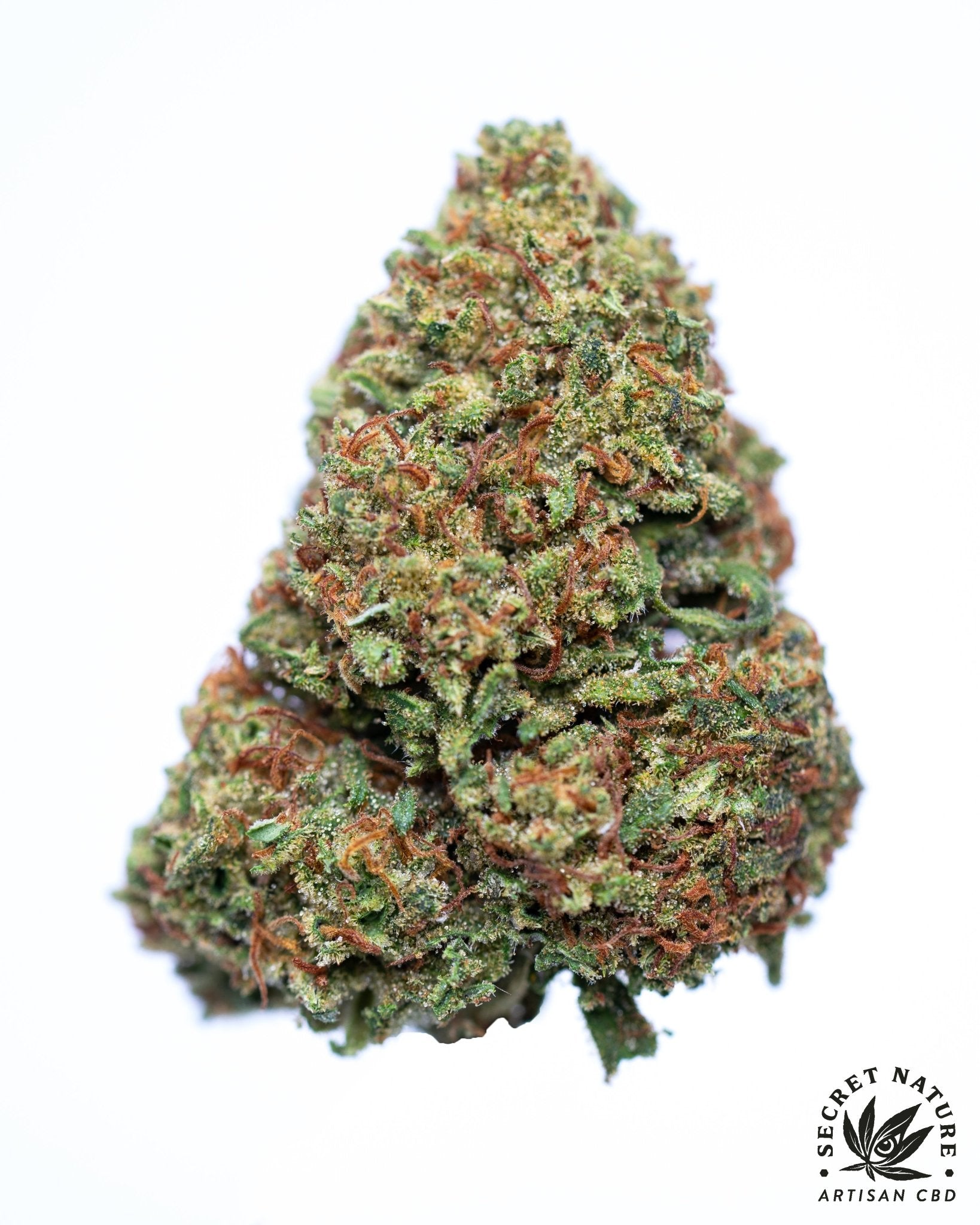
Auditing your inventory is critical to your retail operation. Once you input the inventory into Metrc, you’re essentially confirming that you’re legally holding this stock. The supplier—whether internal or external—is responsible for generating the manifest, adhering to the same standardized protocols in either case.
The dispensary licensing process typically takes 12 to 18 months from initial planning to opening day, though timelines vary significantly by state. Cannabis businesses face intense competition, and effective marketing strategies can significantly impact your company’s success. Once your dispensary business runs, you must develop a branding and marketing strategy to ensure sustainable profitability.